Procrastination and motivation from a Psychology university student
Scrolling instead of studying
Hi! I’m Liv, a second-year Psychology undergrad at the University of Huddersfield. Today I’m diving into the psychology behind procrastination and motivation - don’t worry, it’s nowhere near as intimidating as it sounds.
We’ve all been there: leaving tasks until the last possible moment, choosing to scroll endlessly through TikTok instead of starting that 2,000-word assignment glaring at us from a blank laptop screen.
We know we should start; we might even want to get it over with… but somehow, we don’t. Next thing you know, it’s 3.00am, you’re running on three cans of Red Bull, and you’re questioning every decision that led you here.
So why do we do this to ourselves? Believe it or not, there’s a lot of psychology behind procrastination and motivation. I’ve picked out some of the most interesting bits to help you understand what’s going on, and how to break the cycle.
Temporal Motivation Theory: Why we keep putting things off
One of the most popular explanations for procrastination is something called Temporal Motivation Theory (or TMT for short). It sounds fancy, but it basically explains why we’re more likely to clean our entire room than start that assignment due next week. TMT says that our motivation depends on four things:
Expectancy: How confident you are that you can actually do the task.
Value: How interesting, fun or rewarding the task feels.
Delay: How far away the deadline or reward is.
Impulsiveness: How easily you get distracted by more tempting things (hello TikTok).
When a task feels boring or overwhelming, and the deadline is miles away, our motivation is naturally low. Add the fact that our brains love instant rewards, and suddenly scrolling or snacking feels way more appealing than writing an essay.
So no, procrastination isn’t laziness (take that, Mum!) - it’s your brain doing a bit of maths in the background and choosing the option that feels good right now. If we can change those four factors, we can change our habits.

Expectancy
Expectancy can be a tricky one, because it’s about believing you’re capable. When you first start university, a 2,000-word essay can feel impossible. Add in citations, referencing, and trying to sound “academic,” and suddenly avoiding the whole thing feels much easier.
The key is to break everything down into teeny-tiny steps. Instead of thinking, “I have to write 2,000 words! I can’t do that! I’ll just doom scroll instead,” try setting small, realistic goals.
Tell yourself, “Today I’ll read one research article,” or “I’ll write 100 words,” or “I’ll look over the theory.”
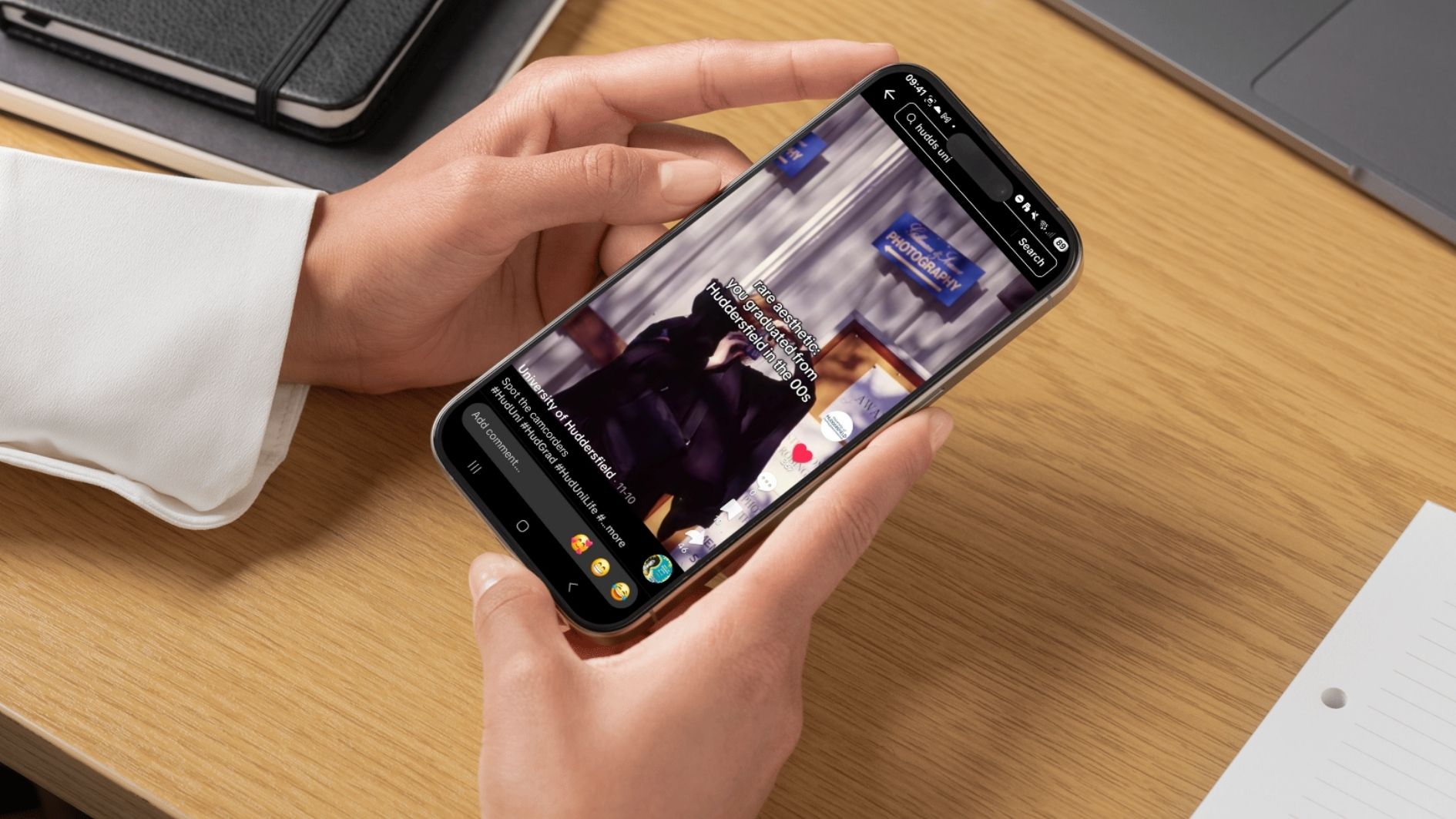
Time-based strategies help too. Try the 20-5-20 rule: work for 20 minutes, take a five-minute break, then go again. Half the time, once you get into the flow, you’ll be so absorbed in what you’re doing you’ll forget the break altogether. But sometimes, if your brain feels really stuck, I find it helpful to step outside for five minutes, get some fresh air, and reset before diving back in.
Value
In a perfect world, we’d all be studying degrees where every single module is thrilling… but let’s be honest, that’s not how it usually works. Some topics are naturally more interesting than others (shoutout to my option modules this year!).
For the modules that feel a bit more yawn-inducing, try pairing the task with something you enjoy or giving yourself a reward afterwards. Personally, I love finishing a tough study session with an oat vanilla latte and a little sweet treat - it makes even the driest module feel a bit more bearable.
Delay
Deadlines have an amazing skill of creeping up on you. One minute you’ve got three whole months, and the next you’re sacrificing precious sleep to squeeze out a few barely legible paragraphs.

That’s where mini deadlines come in. Week One: do some reading. Week Two: draft the first paragraph. And so on. Sounds perfect, right? ‘Well, what if I don’t stick to that?’ I hear you cry, and I get it. Mini deadlines sound great, but in real life tiredness and TikTok exist.
The trick is accountability. Tell a friend or family member what your plan is. I always tell my grandma - she’s basically the CEO of keeping me on track. If you do miss a mini deadline, don’t beat yourself up. That’ll only throw you back into the whole “I can’t do this” mindset. Just adjust your plan and keep moving. Most importantly, make sure your mini deadlines fit around your real life and other commitments - not the other way around.
Impulsiveness
We live in a digital world, and honestly, I’m not complaining - I was absolutely born in the right era. I love TikTok and Instagram reels just as much as anyone else. But our constant scrolling does have an impact on our attention span.
The moment we feel even slightly bored, we reach straight for that unopened message from our best friend - you know, the one with 12 reels from her own doom scroll - all far more entertaining than learning about the biopsychology of the brain (sorry in advance to my brain and cognition lecturer).
My advice? Turn your phone off. It might feel painful at first but trust me - you can do it. And while you’re at it, try cutting down other distractions too.
Keep your workspace tidy, choose a study spot that suits your brain (quiet or noisy - whichever works for you), and if your mind tends to wander, keep a little notepad nearby. Jotting down the random “don’t forget to…” thoughts that pop up the second your phone is off can make a huge difference.
Procrastination isn’t a character flaw or a sign that you’re “bad at studying”- it’s simply your brain reacting to pressure, boredom, and distraction in very human ways.
Once you understand the psychology behind it, you can start working with your brain rather than against it. Next time you catch yourself slipping into the doom-scroll spiral, be kind to yourself, take a breath, and try again.
Student life in Huddersfield
What is life like as a student in Huddersfield? Hear it straight from our current students as they write about their student experience.
Which University?
Read more articles from current students at Huddersfield describing how they chose their course and why.