Homesickness: An International Student's Reflection

Thi Minh Anh Nguyen
MA Education (Teaching and Learning)
Hi, my name is Thi Minh Anh Nguyen (but people call me Aliz), and I'm from Vietnam.
No one really warns you about how quiet homesickness can be. Before coming to the UK, I imagined homesickness as something dramatic - crying every night, wanting to book a flight home, feeling obviously unhappy. What I experienced was subtle, constant and often hard to explain.
As a Vietnamese international student studying Education, my first semester in the UK was not only about adapting academically but also about learning how to live with this quiet sense of longing.
Homesickness is not just missing home ...
Sometimes homesickness showed up in small moments:
- missing Vietnamese food after a long day of lectures
- hearing my parents’ voices on the phone and feeling emotionally torn
- realising that while life at home was moving on, I was building a new one far away
I could attend classes, submit assignments and talk to people - yet still feel a sense of emptiness. For a long time, I thought something was wrong with me. Later, I realised this feeling was simply part of the adjustment.
5 Things that actually helped me cope:
1. Staying connected - but not too connected
In my first few weeks, I called home every day. It made me feel safe but it also made it harder to settle. Over time, I learned to create a routine: regular calls, but not constant ones.
This balance helped me stay emotionally connected to my family in Vietnam while still giving myself space to grow independently in the UK.

2. Creating small routines
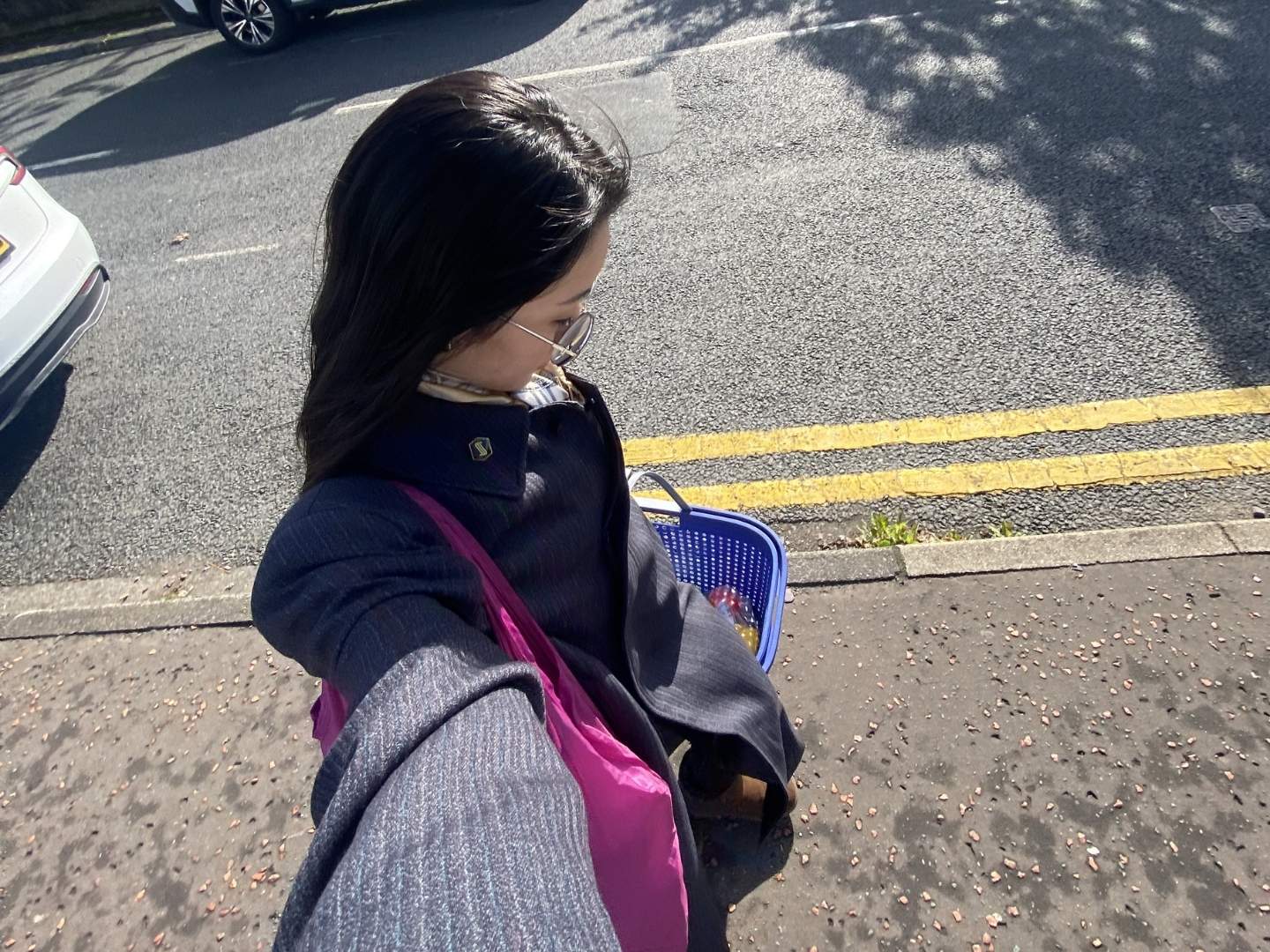
When everything feels unfamiliar, routines become anchors. Simple habits - walking to campus the same way, cooking dinner at a set time, studying in the same library space - gave me a sense of stability.
These routines did not solve homesickness but they made daily life feel more manageable.
3. Cooking Vietnamese food
Cooking became more than a necessity, it became comfort. Even simple Vietnamese dishes reminded me who I was and where I came from.
Sharing food with friends was also a way of explaining my culture without words. In those moments, homesickness softened into something warmer - a quiet connection to home rather than pure sadness.

4. Finding people who understood
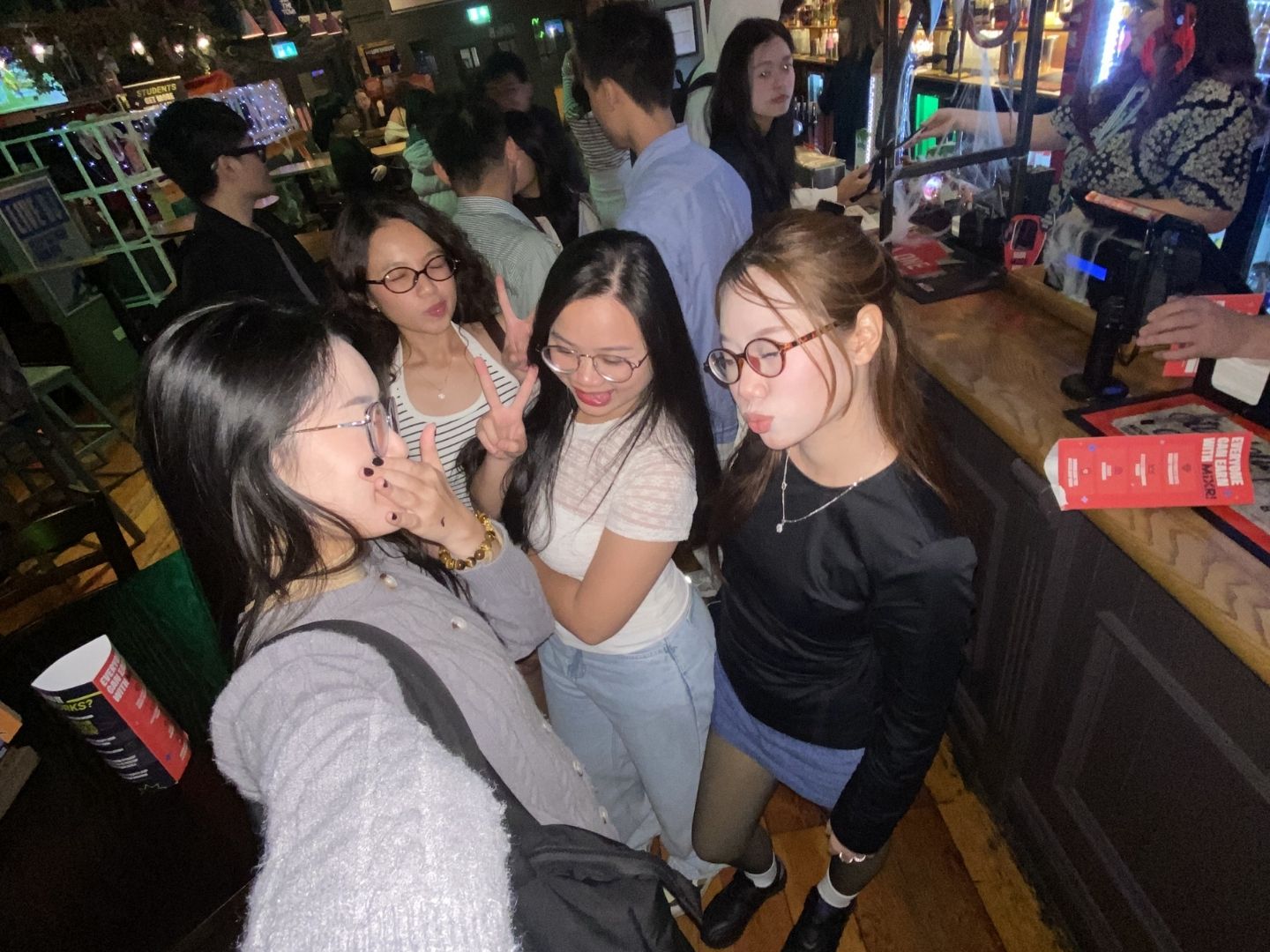
Joining international student groups helped me realise I was not alone. Surprisingly, some of the strongest connections I made were with students from completely different countries.
We did not share the same language or culture, but we shared the same experience of being far from home.
5. Using university support without guilt
For a long time, I thought wellbeing services were only for students with serious problems. Eventually, I learned that these services exist to support students through transitions - not just crises.
Talking to someone who listened without judgement made a quiet but meaningful difference.
Studying Education made me reflect on myself
Studying Education while experiencing homesickness was unexpectedly powerful. Learning about child development, identity and belonging made me reflect deeply on my own emotions.
I began to see my experience not as a weakness, but as part of my learning journey - both academically and personally.
Everything is going to work out
Homesickness does not mean we chose the wrong path or we are weak. It means we are learning to live between two places, two identities, and two versions of ourselves.
With time, homesickness changes. It becomes quieter, softer and easier to carry. And one day, we realise that you have grown around it. This, too, is part of studying abroad.
Information for International Students
International Information Days
Learn more about studying at the University of Huddersfield by signing up for an International Information Day.
Fees and Funding
Discover everything you need to know about fees and funding for international students.
How to Apply
Find out how to apply to the University of Huddersfield as an international student.