
Movement is medicine: lifestyle and exercise tips that help me manage stress

Liv Thompson
Psychology BSc(Hons)
-
April is Stress Awareness Month
Hey! My name’s Liv, a second year Psychology student at the University of Huddersfield. Living life as a student comes with its challenges, particularly stress related ones. As April is stress awareness month, I’m going to talk to you about one of the main ways I deal with stress- through movement!
Healthy body, healthy mind
Yes, yes - you’ve heard it all before, right? Exercise helps reduce stress. But where’s the time? Where’s the motivation? That’s exactly what I want to talk about. Personally, my love for running and going to the gym keeps me going, but I’m far from perfect.
When exams and assignments pile up, I often find myself thinking, “Maybe I’ll skip the gym and just focus on Uni work.” And that’s when things start to go downhill. Taking time to move your body isn’t just good for your muscles- it’s essential for your mental health too.
Now, I’m not just speaking from personal experience- physical exercise has been studied across tons of areas. It has been linked to better sleep, higher confidence, and even sharper memory- all super helpful when navigating a stressful time. But let’s zero in on stress for a moment. Deep inside your brain is a tiny, almond-shaped area called the amygdala, which basically acts as your emotional alarm system. When stress hits, this little guy can trigger a surge of a hormone called cortisol; too much of it can leave you feeling overstimulated. The good news? Regular exercise helps bring chronic cortisol levels back down, giving your brain a well-earned breather.

Daily movement is key
Exercise comes in all shapes and sizes, and if you’re usually pretty inactive, I’m not suggesting you suddenly hit the gym five days a week, chug protein shakes, and only eat whole foods- that would just add more stress to your mind and body. What I’m saying is that even a small amount of daily movement can make a real difference in managing stress. Find what works for you.
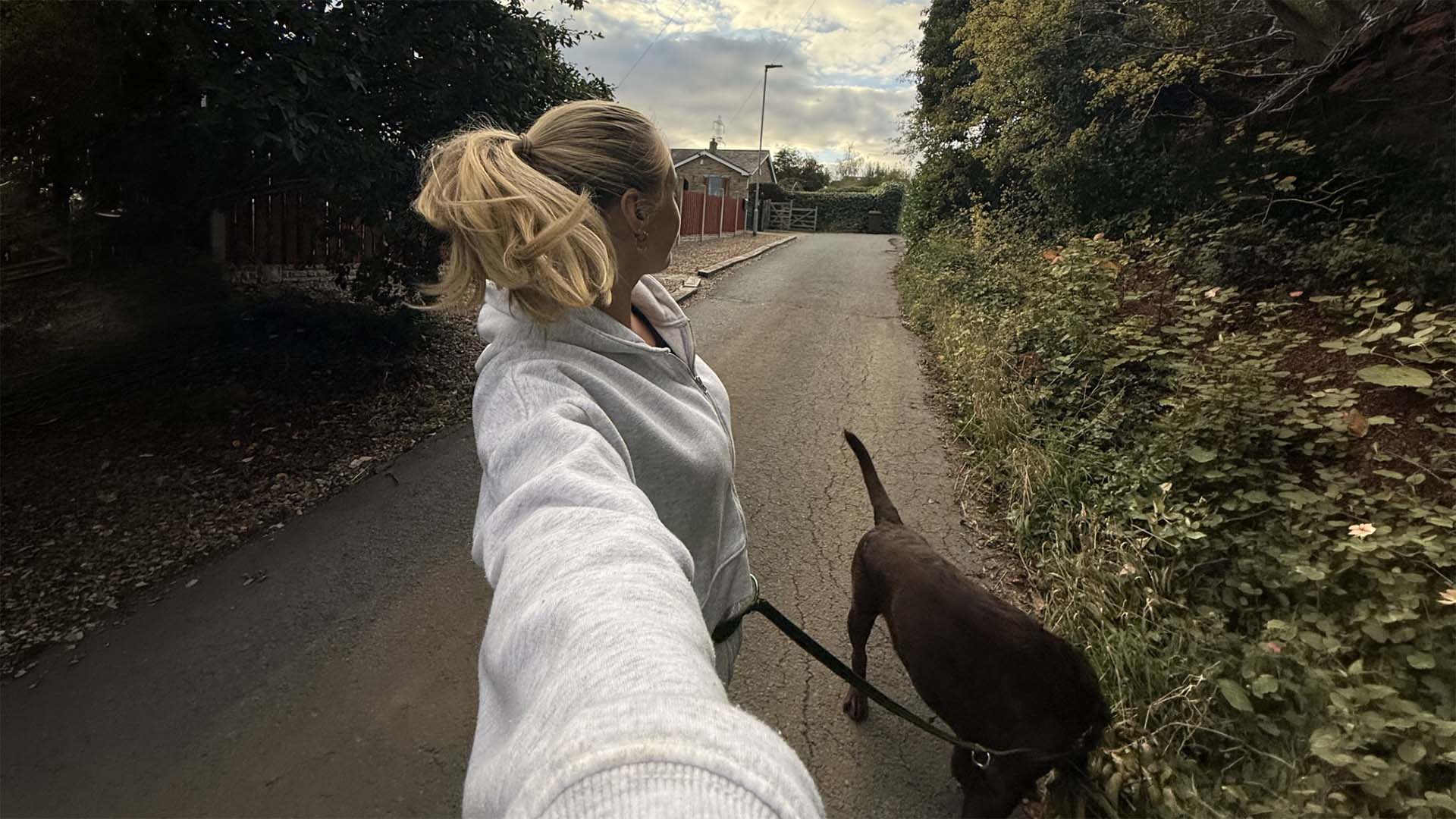
I’m a big believer in: if it doesn’t make you feel good, don’t do it. There’s almost certainly at least one form of exercise that will click. Go for a short walk, try a run, hit the gym, swim, or experiment with a new team sport. Give it a go- you might just end up thanking yourself.
Making time
"But where’s the time?" I hear you cry from under your piles of notes and endless deadlines. Honestly, there’s no magic answer- other than making the time. I can promise you that 20 minutes outside will likely leave you feeling better than the four hours of screen time I know you’ve logged that day (and yes, I’ve been there too). Jokes aside, I’ve found it really helpful to schedule my gym or running time.
At the start of each week, I block out time for lectures, gym, work, and social life so I can see the week clearly- and then I stick to it. It’s not always easy. Sure, you could read two journal articles in the time you go for a run or lift weights, but filling your own cup is essential if you want to avoid burnout.
Burnout is something to watch out for. This is what happens when your brain and body have been running on empty for too long. You feel mentally exhausted, unmotivated, and sometimes even physically drained. The tricky part is that pushing through without a break usually makes it worse. This is where exercise comes in: even a short walk, a quick gym session, or a bit of movement can boost your mood and help you tackle tasks with a clearer, calmer mind. Personally, I love to get outside in study breaks- it acts as a mental refresh for me!
Find a balance
The take-home message: find what works for you. Managing stress isn’t always easy, but even a little daily movement can help you approach your studies feeling calmer, more motivated, and a bit lighter overall. If I’ve described burnout and you’re thinking, “Yep, that’s me!”, it might be time to reflect on small habit changes that could help you rebuild your energy and focus. I hope this blog has been useful, and remember: be kind to yourself along the way- exercise should empower you, not restrict you!

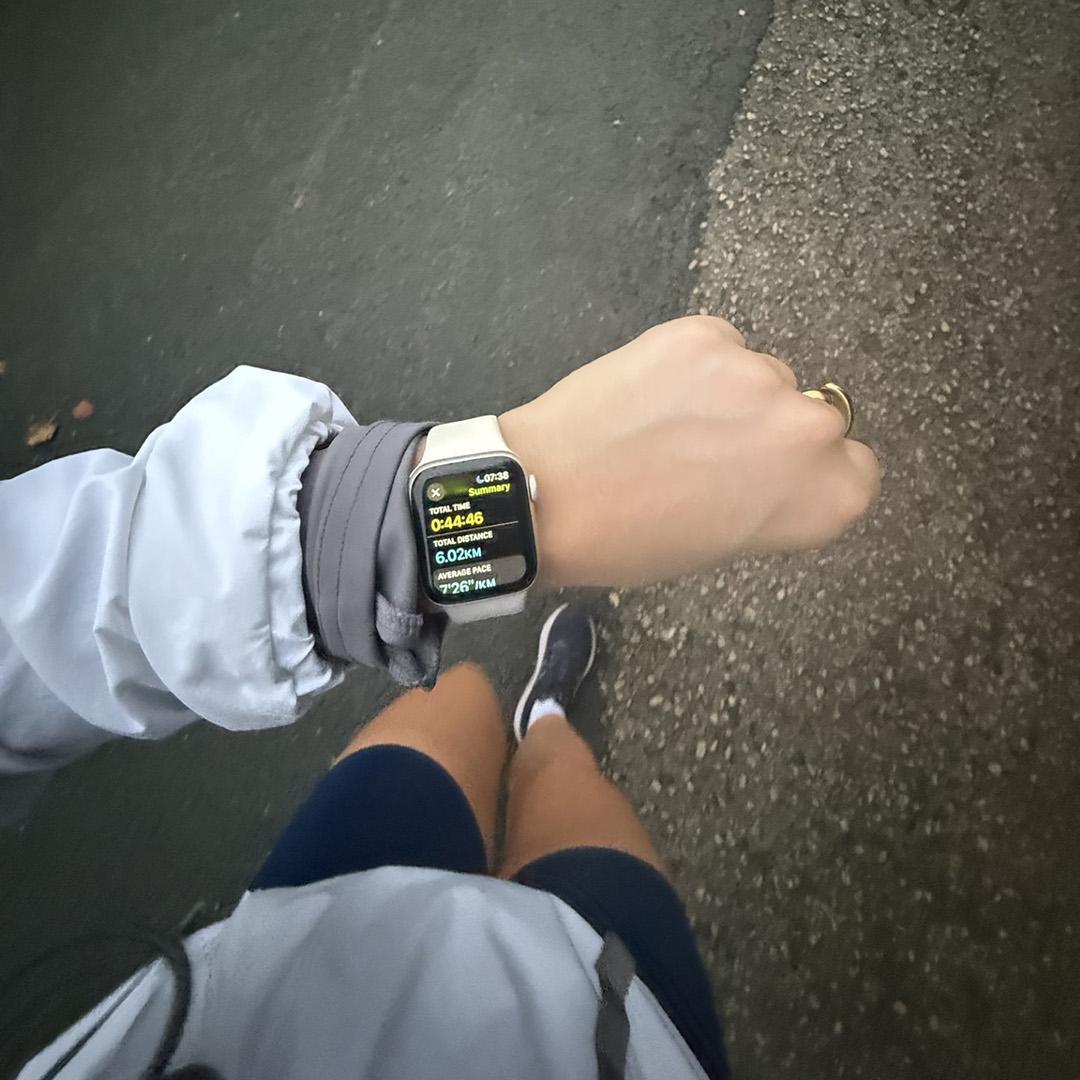
Running is one of my favourite ways to exercise and destress. Here I am completing a Mo Running event.
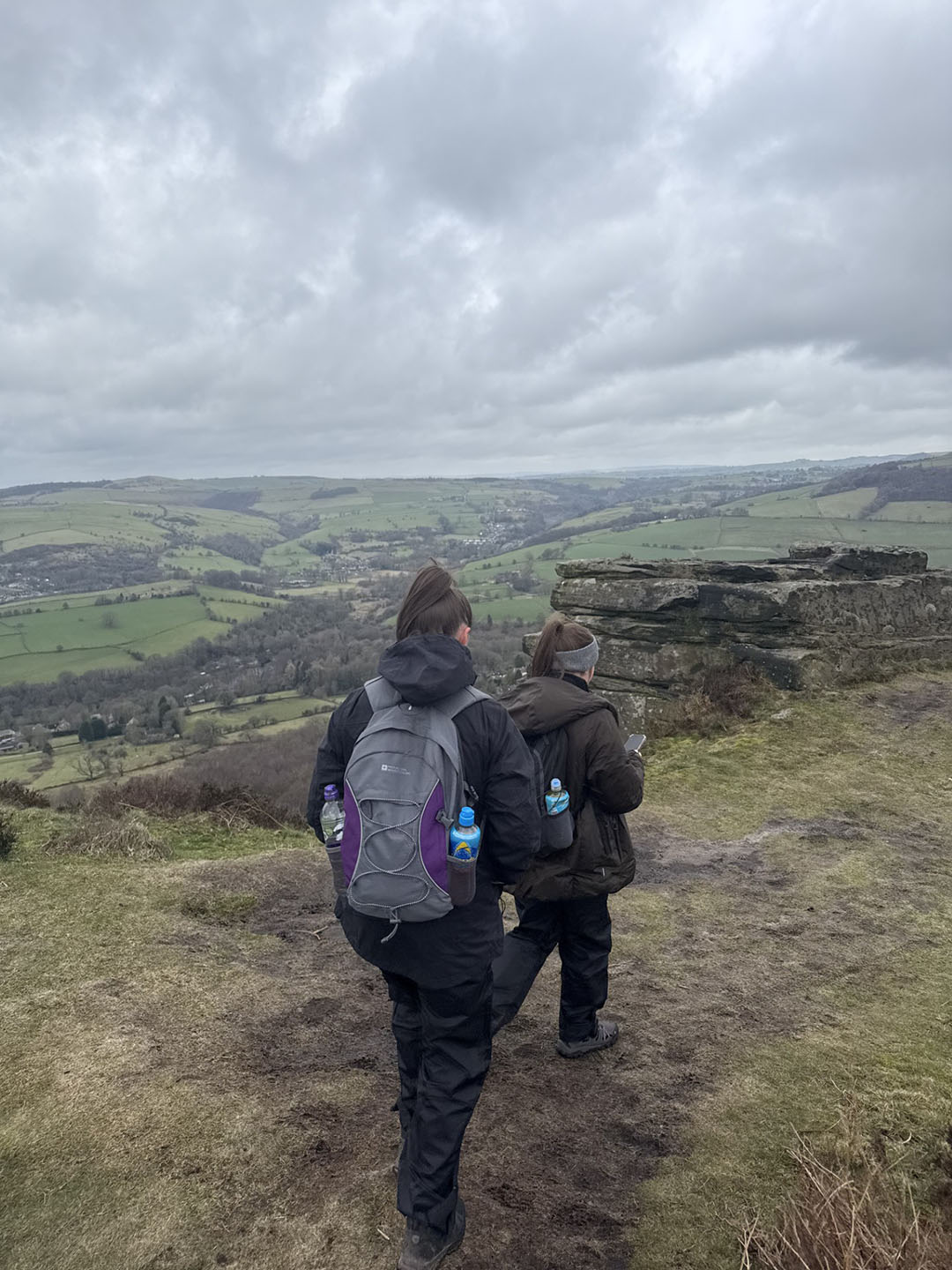
Exercise + outdoors = Recipe for a clearer mind
Student life in Huddersfield
What is life like as a student in Huddersfield? Hear it straight from our current students as they write about their student experience.
Starting Uni?
Read more articles from current students at Huddersfield who have gone through their first year and are now sharing their thoughts and experiences.